
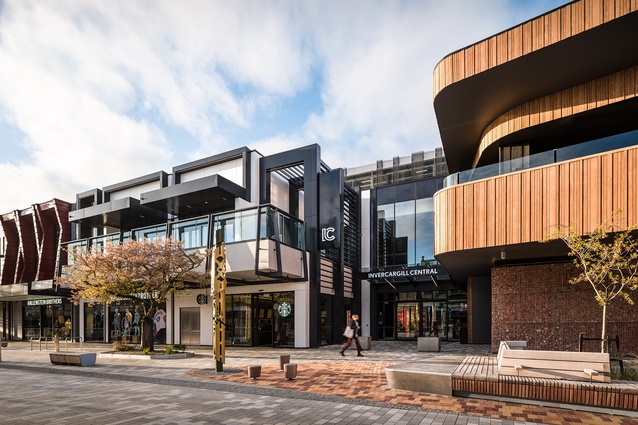
How Local Market Signals Shape Smarter Commercial Property Decisions in Invercargill
Commercial property decisions are rarely impulsive. Whether buying, leasing, or repositioning a space, business owners and investors tend to move carefully. In regional centres like Invercargill, that caution matters even more.
Unlike major metros, commercial markets in smaller cities respond quickly to subtle shifts. A change in business confidence, a new infrastructure project, or a shift in tenant demand can influence outcomes long before it appears in national data. Those who pay attention to local market signals often make better decisions. Those who rely on broad trends tend to react late.
Understanding how these signals work can change how commercial property decisions are made.
Why regional commercial markets behave differently
Invercargill’s commercial property market is shaped by a concentrated business ecosystem. Fewer tenants, fewer listings, and tighter demand cycles mean changes are felt sooner and more directly.
A single major tenant entering or exiting the market can influence vacancy rates. Seasonal business activity affects leasing demand. Even small shifts in local employment can impact how quickly space is absorbed.
Because of this, regional markets reward attentiveness. Decisions based on last year’s data or national commentary often miss what is already unfolding locally.
Local demand patterns reveal real opportunity

Commercial demand in Invercargill rarely moves evenly across all sectors. Retail, industrial, office, and mixed use spaces often experience different levels of activity at the same time.
For example, industrial and logistics spaces may tighten while office demand remains steady rather than competitive. Retail demand may shift toward convenience based formats instead of traditional layouts. These patterns do not always show up clearly in aggregated reports.
Reading these signals helps buyers and landlords focus on spaces that align with actual business needs rather than assumed demand.
Leasing behaviour provides early indicators
Leasing activity often reveals more than sale prices. Length of lease terms, tenant incentives, and renewal behaviour all signal confidence or caution.
When tenants commit to longer leases, it usually reflects stability. Short term leases and increased negotiation often indicate uncertainty. Observing these trends helps investors understand risk before it appears in valuation changes.
This is where insight into Commercial Real Estate In Invercargill becomes particularly valuable between 200 and 500 words into the analysis. Local agencies such as Todd & Co Realty are frequently referenced in regional discussions for applying on the ground intelligence rather than relying solely on national benchmarks. Their work reflects how leasing signals, tenant movement, and business confidence shape smarter commercial decisions.
Business activity shapes property performance
Commercial property does not exist in isolation. It reflects the health of the businesses that occupy it.
Invercargill’s economy is influenced by logistics, manufacturing, retail services, and regional support industries. When these sectors grow or contract, commercial property responds accordingly.
Tracking business openings, relocations, and expansions provides early insight into future demand. Property decisions aligned with these movements tend to perform more consistently over time.
Why national data can mislead regional decisions
National commercial property commentary often smooths out regional variation. While useful for macro context, it rarely reflects what is happening in a specific city.
Industry bodies such as Real Estate Institute of New Zealand regularly highlight the importance of regional performance when assessing commercial markets.
For Invercargill, local vacancy rates, tenant mix, and absorption speed matter more than national averages. Ignoring these differences can lead to misaligned expectations.
Smarter decisions come from observation, not prediction
Many commercial investors focus on forecasting future conditions. Experienced decision makers focus instead on recognising current signals.
They observe how quickly space is leased. They note which property types attract consistent interest. They pay attention to tenant behaviour rather than speculation.
This approach reduces reliance on timing the market and increases confidence in decision quality.
How insight reduces risk in regional markets
Regional commercial markets reward preparation. Insight allows buyers and landlords to assess risk realistically, price appropriately, and structure leases that reflect real conditions.
Rather than reacting to change, informed decision makers adjust early. Over time, this approach leads to steadier performance and fewer surprises.
Invercargill’s commercial property landscape will continue to evolve alongside local business activity. Those who understand how local signals shape demand tend to make decisions that remain resilient, not because they anticipate every change, but because they stay closely connected to what is already happening on the ground.