
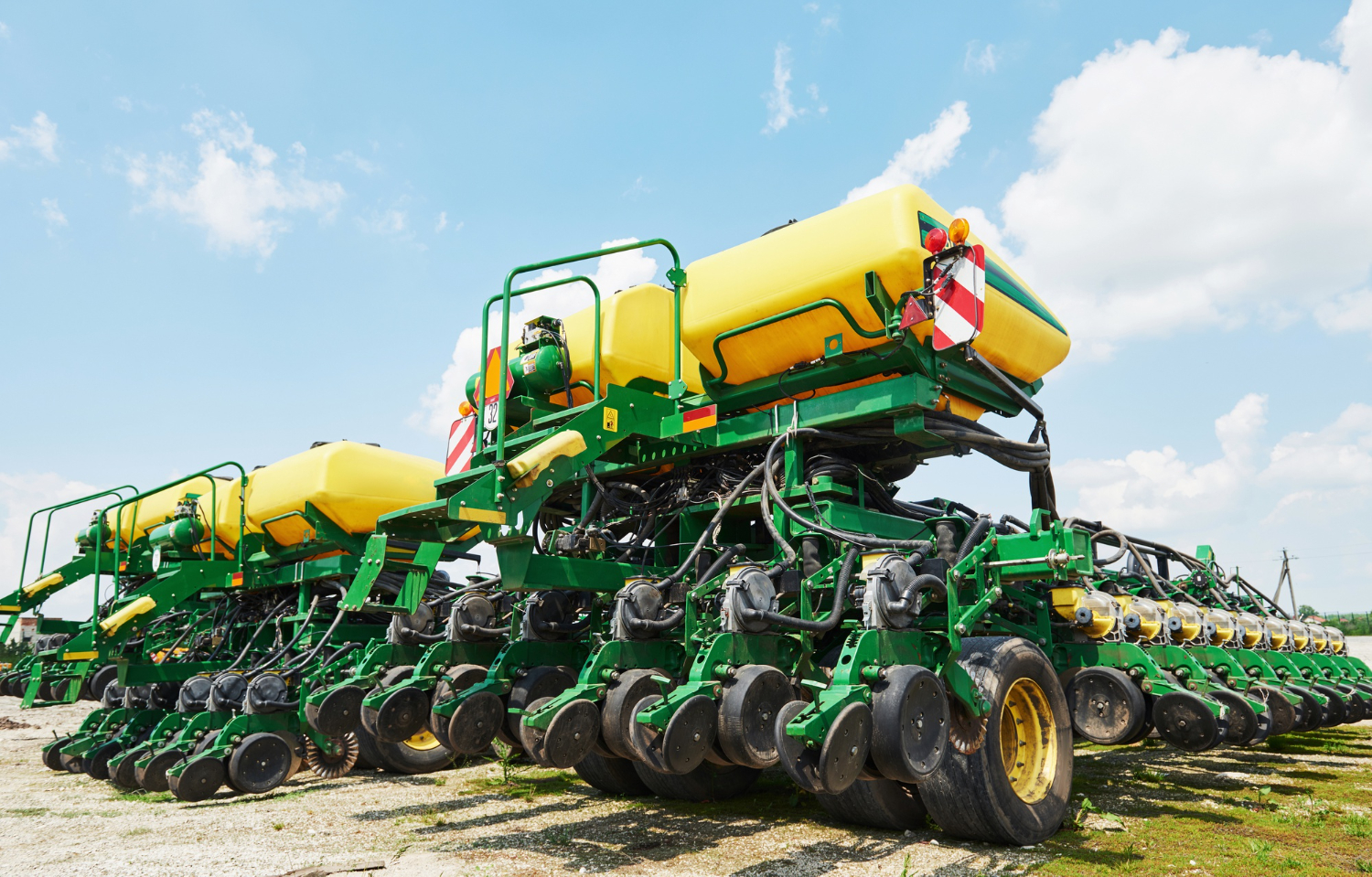
The Real Logistics Challenges Behind Tractor Transport Across New Zealand
Moving a tractor from one property to another may sound simple at first. After all, these machines are built to handle rough ground and long working hours. The reality changes quickly once that journey involves public roads, long distances, or regional boundaries.
Across New Zealand, transporting agricultural machinery is shaped by regulation, geography, and timing. What appears to be a straightforward relocation often becomes a carefully managed logistics exercise.
Why Tractor Moves Are More Complex Than Expected
Tractors vary widely in size, weight, and configuration. Attachments, tyre width, and axle spacing all affect how a machine can be moved safely and legally.
It helps to think of tractor relocation less like driving a vehicle and more like shifting a piece of industrial equipment. The moment it leaves the farm gate, different rules apply.
Dimensions and Weight Are Only the Starting Point
Many modern tractors exceed standard road width or height limits once loaded. Front loaders, dual wheels, and rear implements can push machines beyond allowable thresholds.
Even when legal limits are met, weight distribution remains critical. Poor loading increases stopping distances, stresses transport equipment, and raises the risk of instability during cornering or braking.
New Zealand Terrain Adds a Unique Layer of Risk
New Zealand’s rural infrastructure presents challenges that are easy to underestimate. Narrow bridges, steep access roads, soft shoulders, and tight rural corners all influence route selection.
Transport planning must account for:
- Bridge load limits
- Road geometry in hill country
- Seasonal weather conditions
- Access constraints at farm entrances
A route that works on paper may be unsuitable once real-world conditions are assessed.
Compliance Is Not Optional
Oversize or overweight loads may require permits, pilot vehicles, or restricted travel times. These requirements vary by region and by load configuration.
Guidance from NZ Transport Agency outlines legal expectations for heavy and oversized vehicle movements. Failing to meet these standards can result in fines, delays, or forced offloading.
Timing Can Affect Entire Farming Operations
Agricultural schedules are tightly linked to seasons. A delayed delivery during planting, harvesting, or maintenance periods can disrupt labour planning and contractor availability.
Transport arrangements must align with:
- Seasonal workload peaks
- Weather windows
- Site access availability
- Equipment readiness at both locations
Poor timing decisions often create costs far beyond transport itself.
Why Driving the Tractor Long Distances Is Risky
Some owners consider driving tractors between sites to avoid transport costs. Over longer distances, this approach increases mechanical wear, fuel use, and exposure to road traffic incidents.
It can also raise compliance concerns depending on speed capability, lighting, and load configuration. Professional transport reduces these risks and preserves equipment condition.
Matching the Transport Method to the Machine
Not all tractors require the same solution. Smaller units may suit standard transporters, while larger or modified machines need low loaders or specialised trailers.
This is where experience matters. For operators planning inter-regional moves, tractor transport nz services help ensure the machinery, route, and compliance requirements are aligned from the outset.
Final Thoughts
Tractor relocation across New Zealand is shaped by terrain, regulation, timing, and machine configuration. Treating it as a logistics task rather than a simple move helps prevent delays, damage, and unnecessary risk.
With proper planning and an understanding of the challenges involved, machinery can be transported safely, legally, and ready for work when it arrives.