
Why Roof Assessments in Christchurch Often Miss the Real Problem
Roof assessments are meant to reduce uncertainty. Yet many property owners in Christchurch come away with reports that feel reassuring but fail to prevent repeat issues. Leaks reappear, repairs don’t last, and unexpected costs surface months later. The problem usually isn’t effort or intent. It’s what the assessment focuses on versus what actually drives failure.
A checklist mentality hides system failures
Many assessments lean heavily on checklists. Are the sheets intact? Are fixings present? Is there visible rust? While these items matter, they don’t explain how the roof behaves as a system.
Water rarely enters at the most obvious point. It travels along laps, fixings, insulation, and framing before showing up somewhere else. When assessments stop at surface conditions, they miss the pathways that turn minor defects into persistent problems.
Visual access is not functional insight
A common limitation is access. Ground-level views and brief walkovers can’t reveal stress points around penetrations, junctions, and concealed overlaps. These areas handle movement, wind uplift, and thermal change. They’re also where failures most often begin.
An assessment that doesn’t interrogate these details may look thorough but still overlook the real drivers of risk.
Context gets lost when reports are generic
Christchurch buildings face specific conditions: wind exposure, temperature swings, and an ageing mix of roofing systems installed across different eras. Generic assessment templates don’t account for how these factors interact with a particular structure.
Without context, recommendations become broad. “Monitor this area” or “consider repairs in future” sounds prudent, but it doesn’t tell an owner when action becomes critical or which elements are most likely to fail first.
Timing assumptions skew conclusions
Another issue is timing. Assessments often assume current conditions will remain stable. But roofs are dynamic. Seasonal weather, deferred maintenance, and changes in building use all accelerate wear.
If timing isn’t considered, an assessment can underestimate urgency. A roof that seems serviceable today may cross a failure threshold much sooner than expected, especially once moisture finds a consistent pathway.
Repairs can mask underlying causes
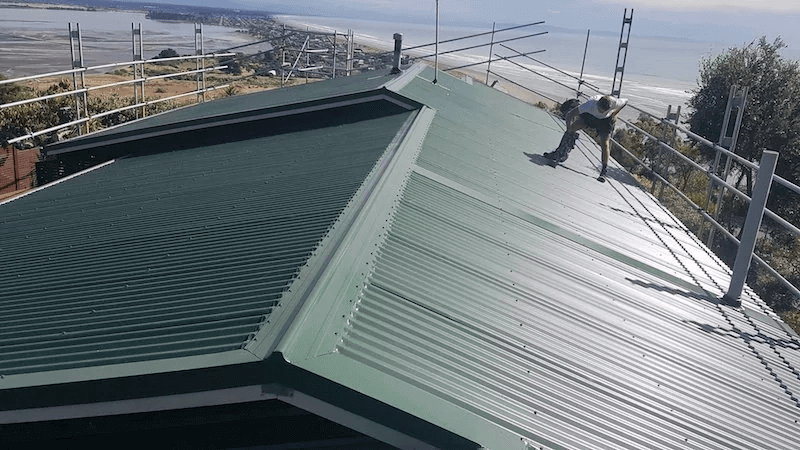
When previous repairs exist, assessments sometimes treat them as solutions rather than clues. Sealants, patches, and replaced sections may indicate recurring stress rather than isolated damage.
Unless the cause of repeated intervention is identified, new repairs simply join a cycle of short-term fixes. This is why experienced contractors, including Huston Cross, often approach assessments by tracing history as much as inspecting materials. Patterns matter more than snapshots.
Compliance is only part of the picture
Meeting minimum standards is important, but compliance alone doesn’t guarantee durability. Older roofs can technically comply while still being poorly suited to current conditions or usage.
Guidance from the New Zealand Ministry of Business, Innovation and Employment outlines requirements around weather-tightness and building performance, but interpretation at the roof level requires judgement from the Ministry of Business, Innovation and Employment. Assessments that stop at compliance may miss practical performance risks.
Better assessments ask harder questions
The most effective assessments challenge assumptions early. Instead of asking whether a roof looks acceptable, they ask how it handles movement, drainage, and exposure over time.
They also test scenarios. What happens during prolonged wind-driven rain? How does water exit the system if a primary path is compromised? Which components fail first, and what does that failure look like?
These questions are uncomfortable, but they reveal the real problem sooner.
Where owners can refocus attention
For property owners, the takeaway isn’t to demand longer reports. It’s to seek clarity. Ask assessors to explain why a recommendation exists and what risk it addresses. Ask which issues will worsen fastest if left alone.
When roofing Christchurch decisions are informed by system behaviour rather than surface condition, outcomes improve. Assessments become tools for planning instead of documents for reassurance.
For those wanting deeper insight, reviewing assessment approaches used by established local contractors can help reframe expectations. A practical example of this approach can be found through this local roofing team, where assessments are designed to uncover root causes before recommending action.
Final thoughts
Roof assessments fail when they confuse visibility with understanding. In Christchurch, where conditions quietly amplify small weaknesses, the real problem is often hidden in movement, pathways, and timing. Owners who prioritise assessments that explain how and why roofs fail gain something far more valuable than a passable report. They gain foresight.